 Comedian
Bed-Stuy, Brooklyn
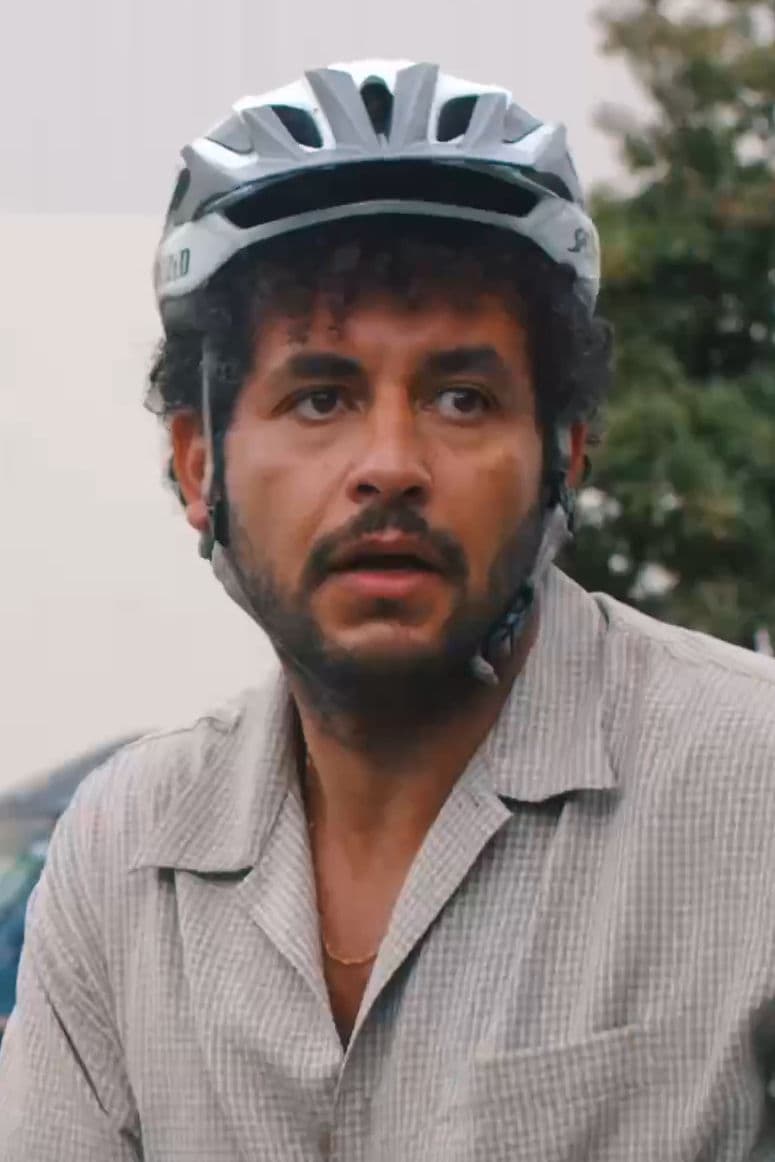
Kareem Rahma
Egyptian-American comedian who lost $200K on the Museum of Pizza, then built SubwayTakes into an Emmy-nominated show with 4.5M followers — all from the NYC subway.
The Story
In 2018, Kareem Rahma sold $300,000 in tickets to the Museum of Pizza in 72 hours. He didn't have a venue. The landlord ghosted him. He scrambled to build the entire installation in two weeks, ended up in the hospital from stress, and lost roughly $200,000. He was 32 years old, and he'd never done comedy.
Rewind further and the picture gets stranger. Born in Cairo in 1986, moved to Mendota Heights, Minnesota around age three. An Egyptian kid in white suburbia who got kicked out of preschool for not speaking English and grew up feeling, in his words, "more white than anything." He studied journalism at the University of Minnesota, moved to New York, and climbed the media ladder the conventional way — Head of Audience Development at Vice, then Growth Editor at the New York Times, pulling a six-figure salary.
He was good at it. That was the problem.
He co-founded Nameless Network around 2016, raised capital, hired about 20 people, and watched Facebook change its algorithm. The business collapsed. He looks back on this period and calls it "cosplaying as a CEO."
Then something cracked open. In 2020, during lockdown, he published a haiku collection called We Were Promised Flying Cars and started doing comedy. At 34, with no experience in entertainment, he decided to compress what he calls "10 years of work into five."
In March 2023, he and artist Andrew Kuo launched SubwayTakes — a show filmed entirely in the New York City subway where strangers share their hottest opinions. By year's end, they had 700,000 Instagram followers. By 2024, they had 2 million. Kamala Harris and Tim Walz showed up. CNN offered a deal. He walked away from it.
By July 2026, SubwayTakes has 4.5 million followers, an Emmy nomination for Outstanding Short-Form Comedy, and Kareem is represented by UTA. His father drove cabs when he first came to America in 1969. That story became Keep the Meter Running, now a YouTube exclusive. His feature film Or Something is on MUBI. He made the TIME100 Creators list and won the Carnegie Corporation Great Immigrants Award.
He calls himself a comic. Not a creator. Not an influencer. "No shade on creators or influencers or whatever, but I consider myself a comic."
He lives in Bed-Stuy, Brooklyn with his wife Karina Muslimova, a photographer, and their daughter, born February 2024. He gets an egg croissant at Marcy & Myrtle most mornings. He wants to go skiing. "I don't want to say no to fun."
How He Works
About a third of his week goes to making things — SubwayTakes and Keep the Meter Running. He batch-shoots around 10 SubwayTakes episodes per session, which means riding the subway with a camera and talking to strangers until the material is there.
Another fifth is writing. Screenplays, comedy specials, Substack essays — always co-writing, never alone. Andrew Kuo is the constant creative partner, but Nicolas Heller (New York Nico) directed Out of Order for Tribeca, and Ramy Youssef orbits in the same Egyptian-American comedy circle.
Brand deals and business take up about 15% of his time. So does performing — stand-up sets and playing music with his band Tiny Gun. The rest is family and the Bed-Stuy neighbourhood life that doubles as raw material.
He got into entertainment at 32. Most people in his position started at 22. He knows the math, and he works like someone who does.
How He Earns
The money story starts with a confession: "Money was the primary factor in every decision I made until probably the age of 33." What changed isn't that money stopped mattering. It's that he figured out which money to say no to.
Brand partnerships are the biggest line item. Google, Microsoft, Hulu, StreetEasy, H&M, Urban Outfitters, J. Crew — all paying to be near a show that costs almost nothing to produce. The format is a man with a microphone on a subway platform. The margins are absurd.
YouTube pays him at the television tier. Keep the Meter Running was featured at Brandcast, YouTube's upfront for advertisers. That's the monetisation level usually reserved for channels with studios and staff.
Film and TV add income without adding dependence — Or Something on MUBI, Tonight's Special on Omeleto, Out of Order at Tribeca. The podcast SubwayTakes Uncut runs through Talkhouse Network. Stand-up, Tiny Gun gigs, and Substack fill in the gaps.
The trajectory points toward high six figures. The surprising part is how little infrastructure it requires.
The Failures
The Museum of Pizza wasn't a cute stumble. He sold $300,000 in tickets before he had a building. When the landlord disappeared, he had thousands of customers and no show. He built the whole thing in two weeks, haemorrhaged money, and ended up hospitalised. Net loss: roughly $200,000. His takeaway is blunt: "Fake it 'til you make it is not good advice."
Nameless Network hurt differently. He raised money, hired a team, played the startup game. Then Facebook changed how it distributed content and the entire business model evaporated. Twenty people lost their jobs. He'd spent years building something on someone else's platform, on someone else's terms.
The CNN deal is the most instructive failure because it looked like success. He landed a television deal. They held it in development for seven months, doing nothing. He eventually walked away. "I did the whole rigmarole with television, and it was a disaster." The lesson wasn't that TV is bad. It's that development deals are designed to own you while you wait.
Why It Works
Start with what he owns. Two production companies — Rahmavision and AND Media. He controls the format, the distribution, the IP. Nobody can cancel SubwayTakes because nobody greenlit it.
The format itself is a structural advantage. SubwayTakes needs no studio, no writers' room, no network. The New York City subway system is the set. Strangers are the guests. Production cost approaches zero, which means he never needs permission or funding to keep making it.
UTA representation gives him access to bigger deals — film, TV, touring — without any single party owning him. He can walk into rooms he couldn't before, and walk out of rooms he doesn't like. He's done both.
The CNN lesson is baked into every decision now. He had a corporate media career that paid well and taught him how the machine works. Then he watched two businesses die because they depended on platforms and partners he didn't control. Now he builds things where the only person who can shut it down is him.
He's an outsider who arrived late, which turns out to be an advantage. He doesn't have the habits or the debts of someone who came up through the system. He's not trying to get back to a deal he once had. He's building forward from a subway platform in Brooklyn.